Services
Our Manufacturing Processes & Services
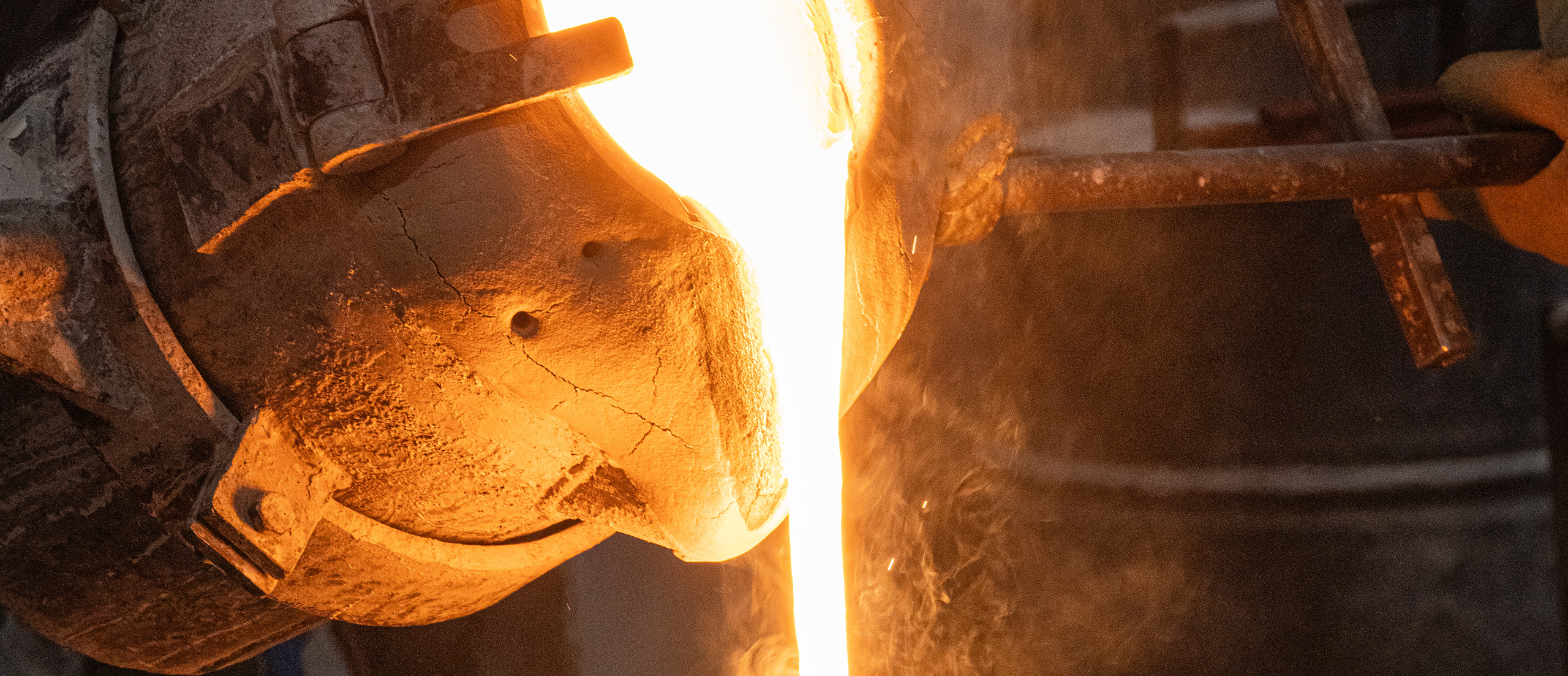
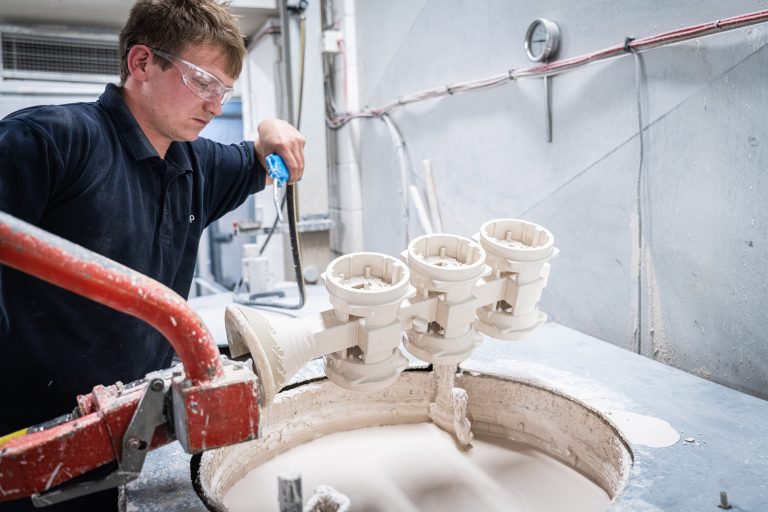
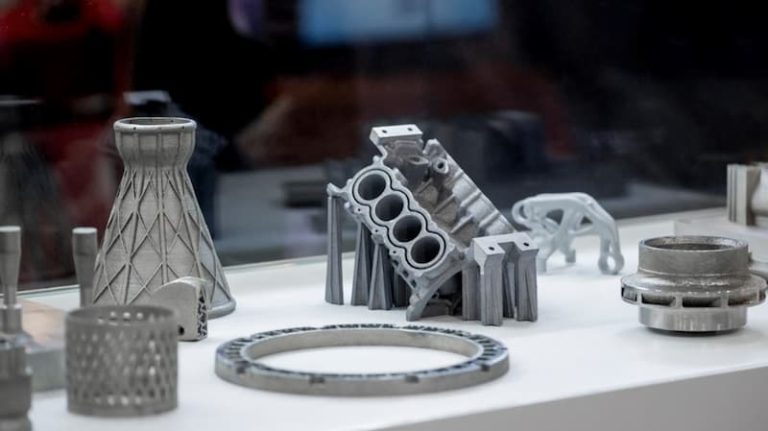
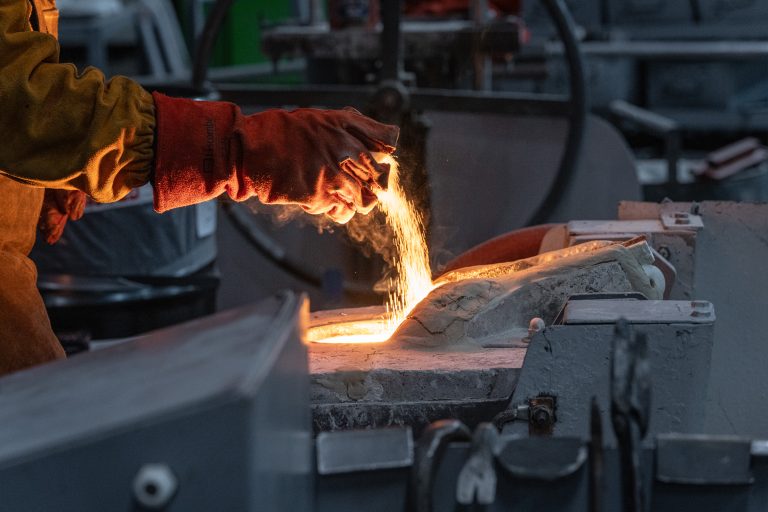
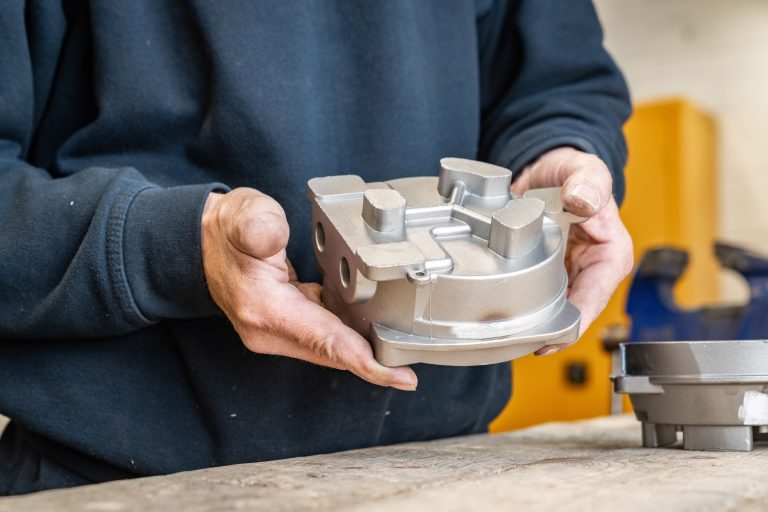
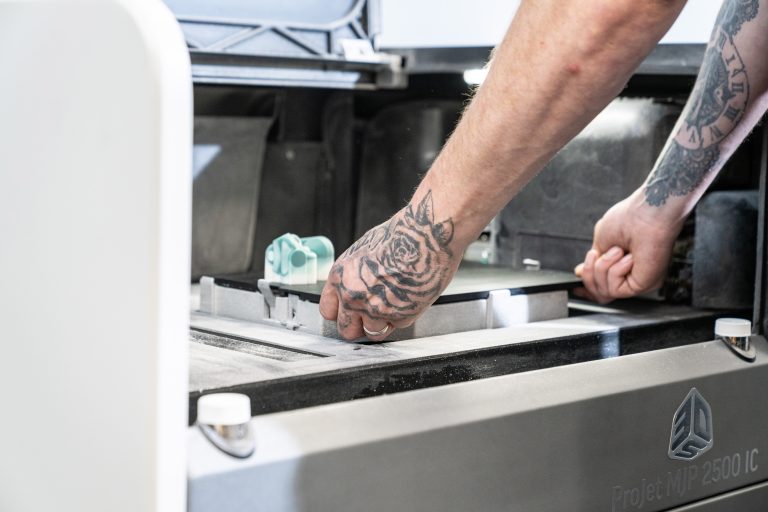
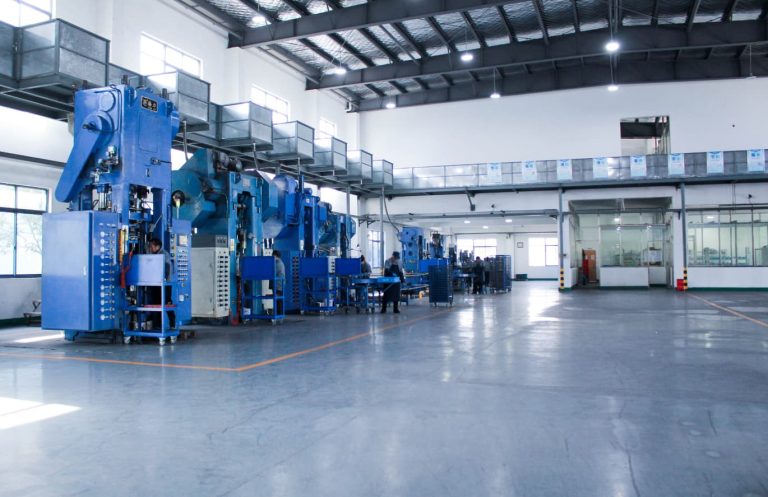
Specialising in investment casting with UK manufacturing facilities, we also provide fully risk-managed and quality-assured low-cost China supply of higher volume investment castings, die castings, MIM and forged parts, including additional processes of machining, heat treatment, assembly and various surface finishes.
Accreditations & Memberships



Get In Touch
Dean Group International Ltd
Brinell Drive
Northbank Industrial Park
Irlam
Manchester
M44 5BL
0161 775 1633sales@deangroup-int.co.ukBrinell Drive
Northbank Industrial Park
Irlam
Manchester
M44 5BL

Manufacturing Processes & Services
Markets
Quality
About Us
© 2026 Dean Group International
Registered in England VAT No: 146307478 Company Registration No: 1062820
Registered in England VAT No: 146307478 Company Registration No: 1062820
Designed, Developed & Powered by SQ Digital